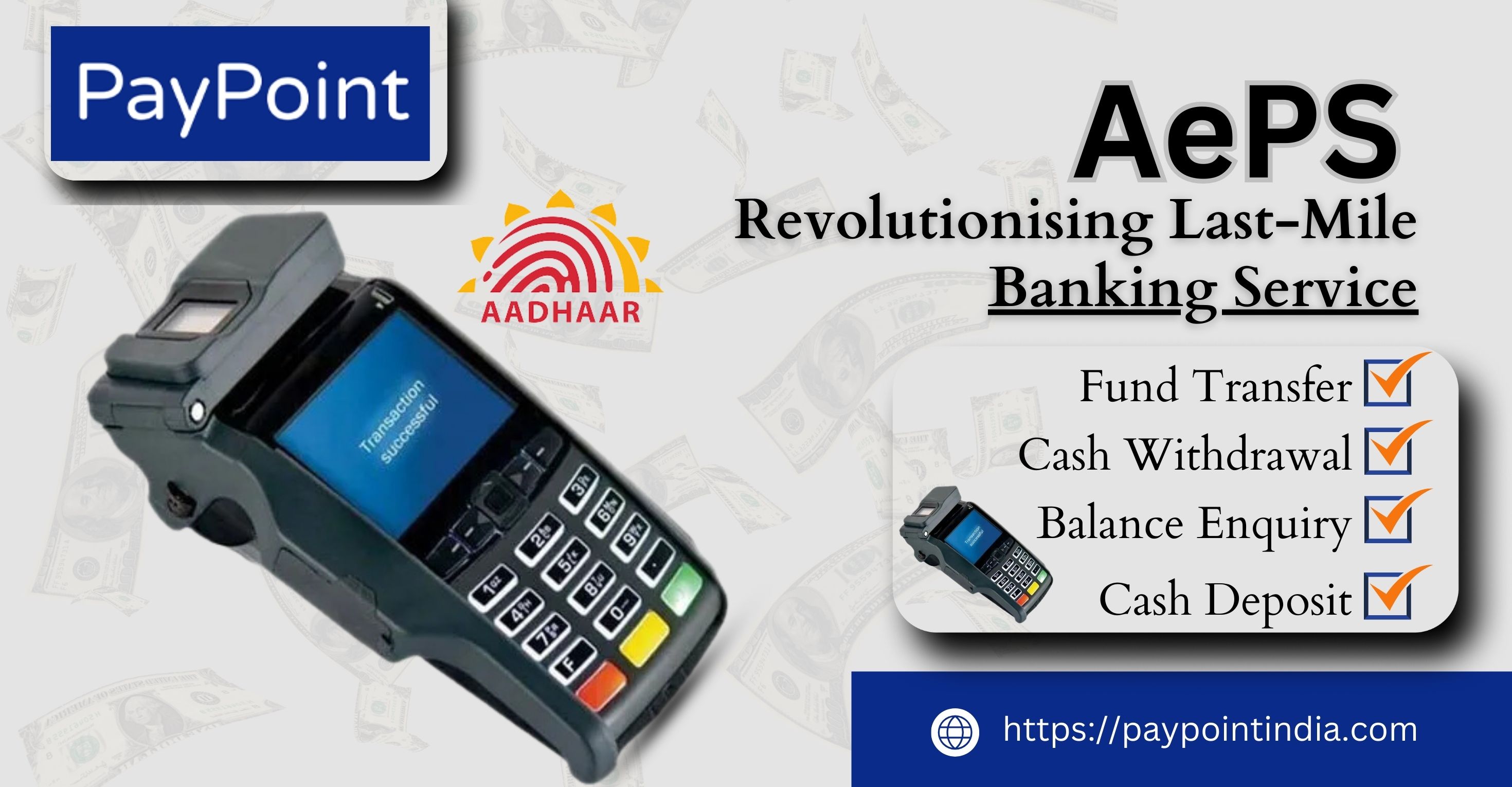

For decades, the backbone of India's payment infrastructure was an exclusive club — and fintechs weren't on the guest list. That just changed.
The Reserve Bank of India's Centralised Payment System (CPS) — the critical architecture that powers RTGS and NEFT, handling trillions of rupees in daily settlements — has, until now, been accessible only to banks and a tightly guarded circle of large institutions: NPCI, the Clearing Corporation of India, DICGC, and stock exchanges.
That door has now opened. And it was PayPoint India Network that walked through it first.
Pay Point India has become the first private-sector fintech in the country to secure full membership in the RBI's Centralised Payment System — a development that isn't just a corporate win. It's a signal of where Indian finance is heading.
With this membership, PayPoint India now operates with direct access to RTGS and NEFT — without the traditional reliance on intermediary banks. The company has been assigned its own IFSC code and maintains both a current account and a settlement account directly with the RBI.
To put that in context: previously, non-bank entities had no direct pathway into these systems. Every transaction moved through a chain of intermediaries, each adding challenges, cost, and settlement risk. That model is now being disrupted — and PayPoint India is at the front of that disruption.
The implications for operations, efficiency, and trust are significant:
? Lower transaction costs — by eliminating the dependency on partner banks for fund routing
? Faster, more reliable settlements — with fewer intermediaries, processing delays shrink
? Enhanced data security — funds no longer traverse multiple third-party systems
? Greater payment finality — direct settlement with the RBI reduces counterparty risk at its root
Entry into the CPS also comes with one of the most rigorous compliance bars in Indian finance. The RBI mandates stringent cyber resilience standards and operational reliability benchmarks for every CPS participant — a bar that PayPoint India has now demonstrably cleared.
If you work in banking, investment, fintech, financial services, or payments — this development reshapes the competitive and regulatory landscape you operate in.
PayPoint India has made it real — a private-sector fintech with direct central bank settlement access is no longer theoretical. The infrastructure gap between traditional banks and compliant, scaled fintechs just narrowed in a meaningful, structural way.
For investors, this signals a maturation of India's fintech regulatory framework — one where the RBI is selectively extending systemic-level access to non-bank entities that meet its high standards.
For the industry, it sets a precedent.
PayPoint India has spent years building toward exactly this kind of institutional recognition. This isn't a pivot — it's a proof point, a badge of honour.
To learn more about PayPoint India's network, services, and what this development means for the future of payments in India, visit www.paypointindia.com.
#Fintech #PayPointIndia #RBI #DigitalPayments #RTGS #NEFT #FinancialServices #India #Banking #Payments #CentralisedPaymentSystem #FinancialInclusion #InvestmentBanking #Finserv